
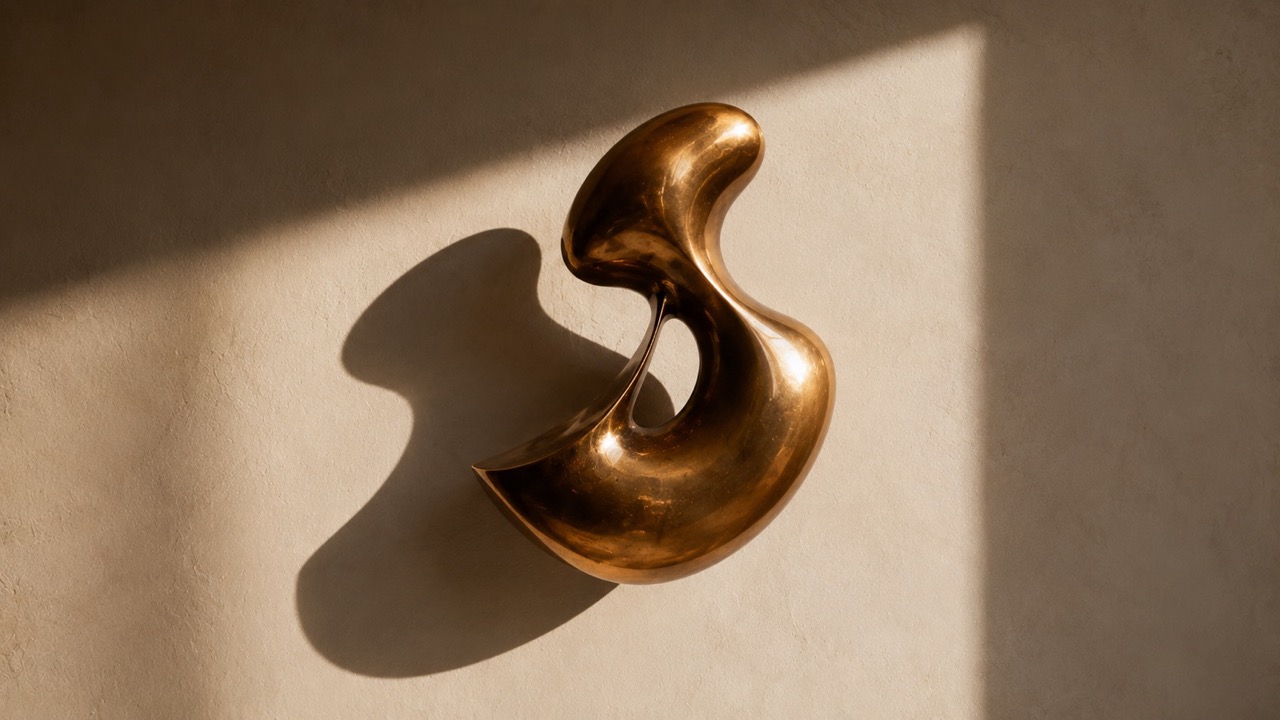
The appointment of an art curator to the staff of a luxury hotel would have seemed, twenty years ago, an extravagance bordering on the absurd — a decorative gesture by properties more concerned with aesthetic signalling than with guest experience. Today, the role has become structural. The world’s most ambitious hotel groups — Aman, Rosewood, Four Seasons, The Set Hotels, the Dorchester Collection — employ curators, commission site-specific installations, partner with galleries, and programme exhibition schedules with a seriousness that would not embarrass a mid-sized museum. The question is no longer whether hotels should engage with art but why this convergence happened and what it means for both the hospitality and the cultural industries.
The Economics of Experience
The luxury hotel’s existential problem in the twenty-first century is differentiation. When every five-star property offers Egyptian cotton, a rainfall shower, and a spa menu of sufficient length, the physical amenities become a baseline rather than a distinction. Art provides what thread count cannot: a sense of place, a curatorial point of view, and the kind of cultural engagement that transforms a stay from comfortable to memorable. The guest who encounters a James Turrell light installation in the lobby of the Aman Tokyo, a rotating exhibition programme at the Gramercy Park Hotel, or a permanently installed Anish Kapoor at the Leela Palace in New Delhi carries away an experience that no competitor can replicate by upgrading its fixtures.
The Curator’s Brief: Between Decoration and Provocation
The hotel art curator operates under constraints that the museum curator does not face. The work must be excellent, but it must also coexist with the primary function of the space: relaxation, hospitality, comfort. The curator who treats the hotel as a gallery — installing challenging work without regard for the guest who has arrived exhausted from a long-haul flight — misunderstands the brief. The curator who treats the hotel as a decorative exercise — selecting inoffensive work that matches the colour scheme — wastes the opportunity. The skill lies in finding the work that enhances the space without dominating it, that rewards the attentive eye without punishing the inattentive one, that creates the possibility of an aesthetic encounter without demanding one.
Fiona Banner at the Savoy, who curated a programme of neon text works for the hotel’s public spaces, found this balance precisely: works that function as beautiful objects for the guest who glances at them and as layered cultural propositions for the guest who pauses to read. The curators at 21c Museum Hotels — the Louisville-based group that places a contemporary art museum inside every property — take a more maximal approach, treating the hotel’s public spaces as genuine exhibition venues with rotating shows of institutional quality.
The Artist’s Response: Site-Specificity as Hospitality
The most rewarding hotel art programmes are those that commission work made specifically for the space — art that responds to the architecture, the location, the cultural context, and the particular qualities of light and movement that distinguish one building from another. Olafur Eliasson’s installations at the Reykjavik Edition, Tadao Ando’s spaces at the Aman Tokyo (where the architecture itself is the art), and the site-specific works commissioned by the Royal Academy’s partnership with the Café Royal Hotel in London represent a model of cultural production in which the hotel becomes a patron in the traditional sense: not merely a buyer of finished work but a commissioner of new work, providing the resources and the context that allow artists to produce pieces they could not have made elsewhere.
What This Means for the Guest
For the culturally engaged traveller, the emergence of the hotel as a serious art venue creates a category of accommodation that did not previously exist: the hotel as cultural destination. A stay at the Gritti Palace in Venice during the Biennale, at the Beaumont in London (home to Antony Gormley’s inhabitable sculpture ROOM), or at the Vik Chile in the Millahue Valley (whose entire interior is a curated collection of contemporary Chilean art) offers an experience that combines the comforts of luxury hospitality with the intellectual stimulation of a gallery visit — an experience that the dedicated art traveller increasingly seeks out and that the most ambitious hoteliers are learning to provide with genuine conviction rather than commercial calculation.