
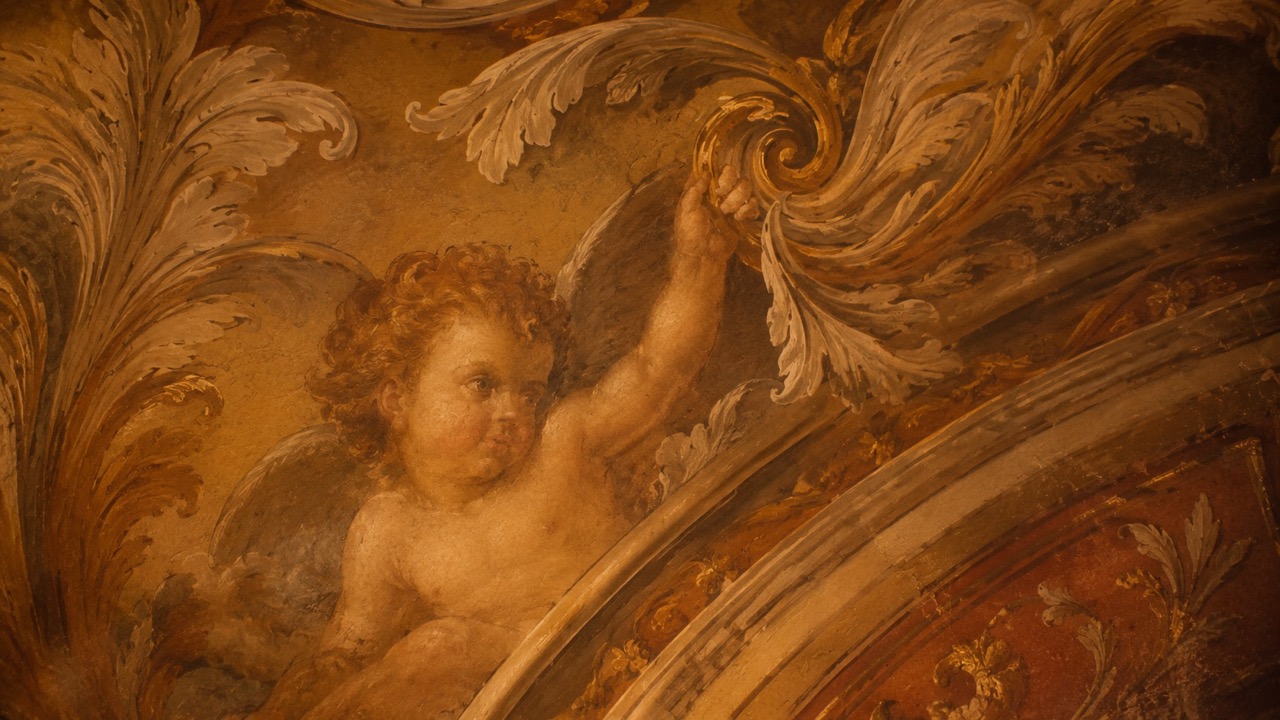
In a culture that prizes the new, the smooth, the unscratched, and the shrink-wrapped, there is something quietly subversive about the deliberate embrace of age. The crack in the celadon glaze. The faded indigo of a jacket washed a hundred times. The leather suitcase whose surface records every airport, every cab, every hotel room in a topography of scuffs and softening that no new case possesses. Patina — the visible accumulation of time, use, and care upon a surface — is not merely an aesthetic preference. It is a philosophical position: the belief that an object becomes more beautiful, more interesting, and more valuable as it gathers the evidence of the life it has been part of.
Wabi-Sabi: The Japanese Grammar of Imperfection
The aesthetic framework most relevant to patina’s contemporary appeal is wabi-sabi, the Japanese philosophy that finds beauty in impermanence, incompleteness, and imperfection. The tea bowl that is prized not despite its irregular glaze but because of it. The wooden temple whose unfinished surface weathers to silver over centuries. The garden designed not to resist change but to incorporate it — the moss, the lichen, the fallen leaf — as elements of the composition. Wabi-sabi is not a style but an orientation: a way of looking that values the handmade over the machine-made, the weathered over the pristine, and the process of becoming over the state of completion.
Kintsugi — the practice of repairing broken ceramics with gold-laced lacquer, making the repair visible rather than disguising it — is the most celebrated expression of this philosophy, and its appeal in the West reflects a growing discomfort with the disposability that defines much of contemporary material culture. The kintsugi bowl declares that breakage is not failure but history, and that the object that has been broken and repaired is more interesting, more beautiful, and more valuable than the object that has never been tested.
Patina in Architecture: The Buildings That Improve with Age
The architectural theorist Stewart Brand distinguished between buildings designed to resist change and buildings designed to accommodate it — “Low Road” buildings, in his terminology, that improve through use, adaptation, and the accumulation of human modification over time. The Venetian palazzo whose plaster has worn to reveal the brick beneath. The English country house whose rooms bear the marks of every generation that has inhabited them. The Japanese machiya whose timber frame has darkened to the colour of strong tea over three hundred years of Kyoto summers. These buildings possess a quality that the newly constructed building, however well designed, cannot offer: the visible evidence that they have been lived in, and that the living has made them more beautiful.
The Luxury of Worn Things
The most interesting development in contemporary luxury is the rehabilitation of wear as a value rather than a defect. Hermès leather, which develops a patina that the brand explicitly celebrates in its marketing, is the most prominent example, but the principle extends across the material world of the discerning consumer. The bespoke shoe that has been resoled four times and polished a thousand. The cashmere sweater whose softness after fifty washes exceeds anything the factory could produce. The copper cookware whose interior has developed the dark seasoning that indicates decades of use. The fountain pen whose nib has been shaped by a single writer’s hand into a tool that no other hand can quite replicate. These objects are not old. They are matured. They have been improved by the relationship between the object and its owner, and their value — aesthetic, functional, and sentimental — increases with every year of use.
Against Perfection
The philosophical case for patina is, at its root, a case against the tyranny of the new. The consumer economy depends upon the conviction that the latest version is always the best version — that the phone released this year is superior to the phone released last year, that the current season’s wardrobe renders the previous season’s unwearable. Patina proposes the opposite: that time adds rather than subtracts, that use enriches rather than degrades, that the most luxurious thing in a room may be the thing that has been there longest. This is not nostalgia. It is a form of attention — a willingness to see what time does to surfaces and to recognise, in that transformation, a beauty that novelty cannot match. Imperfection, it turns out, is luxury’s most seductive quality precisely because it cannot be manufactured. It can only be lived.