
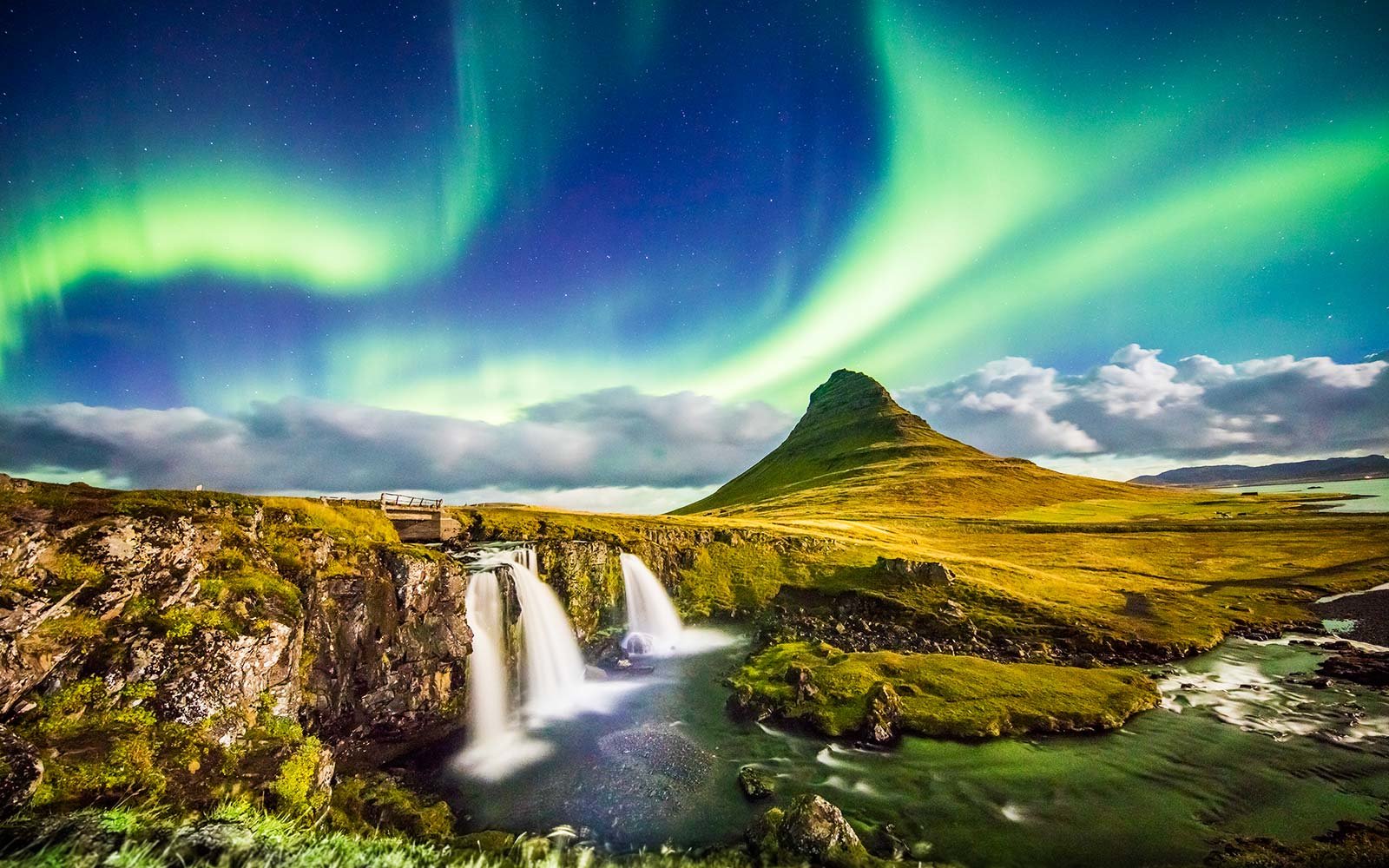
The island as a concept exerts a pull on the imagination that no continent can match. There is something in the act of crossing water — the visible severance from the mainland, the arrival at a place whose boundaries are defined not by politics but by geology — that recalibrates the senses and permits a quality of attention the ordinary rhythms of life rarely allow. The finest island experiences understand this instinctively. They do not merely offer luxury in an island setting; they offer the island itself as the luxury — its light, its isolation, its particular relationship with the sea, its capacity to make the guest feel simultaneously at the edge of the world and at its exact centre.
The Cyclades: White Architecture, Aegean Light
Beyond Santorini’s caldera and Mykonos’s harbour — both magnificent, both by now so thoroughly documented that the first-time visitor arrives with a sense of recognition rather than discovery — the Cycladic archipelago contains islands of extraordinary character that the knowing traveller has long preferred. Folegandros, perched on its cliff above a sea of such chromatic intensity that the word blue seems inadequate, offers a quietness and an architectural integrity that its more famous neighbours have largely surrendered. Tinos, with its Venetian dovecotes and its community of marble sculptors whose workshops produce work of genuine artistry, is the Cycladic island that artists and architects visit when they want to see tradition operating without self-consciousness. Sifnos, where the culinary tradition is considered the finest in the archipelago — the monastery cooks who developed its slow-cooked dishes centuries ago would recognise the recipes still served in Apollonia’s restaurants — rewards the gastronome as richly as it rewards the swimmer.
The Aeolian Islands: Volcanic Drama, Sicilian Soul
The seven volcanic islands that rise from the Tyrrhenian Sea north of Sicily constitute one of the Mediterranean’s most extraordinary micro-worlds. Stromboli, whose volcano erupts with such regularity that the locals have incorporated its rhythms into their daily consciousness, offers the rare experience of watching the earth create itself in real time — the night ascent to the crater rim, guided by vulcanologists who treat the mountain with the respect it demands, produces views that no photograph has ever satisfactorily captured. Salina, the greenest and most cultivated of the group, produces the Malvasia delle Lipari — a golden dessert wine of haunting complexity — and capers of such quality that the best chefs in Sicily consider them irreplaceable. Panarea, the smallest and most exclusive, has been the private island of the Italian cognoscenti since the 1960s, its whitewashed houses and volcanic-stone terraces arranged with an aesthetic precision that suggests an entire island operating as a single, coherent work of design.
The Andaman Islands: Where the Rainforest Meets the Reef
India’s Andaman archipelago, suspended in the Bay of Bengal some 1,200 kilometres from the mainland, belongs to a different order of island experience entirely. The coral reefs that surround Havelock and Neil islands support a marine biodiversity that rivals the Maldives and exceeds it in variety. The rainforest interior, where indigenous Jarawa and Sentinelese communities maintain their distance from the modern world with an autonomy that the Indian government has wisely chosen to protect, is among the last genuinely untouched tropical forests in Asia. The luxury accommodation that has emerged on Havelock — notably Taj Exotica and a handful of smaller, architecturally sensitive properties — demonstrates that world-class hospitality can coexist with ecological sensitivity when the will and the investment are present.
The Lofoten Islands: Arctic Light, Viking Memory
Above the Arctic Circle, off the coast of northern Norway, the Lofoten archipelago presents an island landscape of such dramatic beauty that first-time visitors routinely describe the experience as hallucinatory. Mountains of Alpine scale rise directly from the sea. Fishing villages of red wooden rorbuer — the cabins originally built for the seasonal cod fishermen — cling to the shoreline with a picturesque determination that owes nothing to tourism and everything to centuries of practical adaptation. The light — the midnight sun of summer, the blue twilight of the polar winter, the northern lights that appear with a frequency and intensity unmatched elsewhere in the accessible Arctic — is itself the primary luxury, and the best accommodation in Lofoten is designed around its display.
The Principle of the Island
What connects these disparate archipelagos — Greek, Italian, Indian, Norwegian, each with its own culture, cuisine, climate, and quality of light — is the principle that the island imposes upon its visitor: the acceptance of limits as a form of freedom. An island is finite. Its roads end at the sea. Its restaurants are those restaurants, its beaches those beaches, its sunsets from those vantage points. This finitude, which the mainland-accustomed traveller may initially experience as constraint, is in fact the island’s greatest gift. It demands presence. It refuses the restless scanning of alternatives that defines so much contemporary travel. It says: you are here, and here is enough. The finest island experiences are those that make this proposition not merely tolerable but revelatory.