
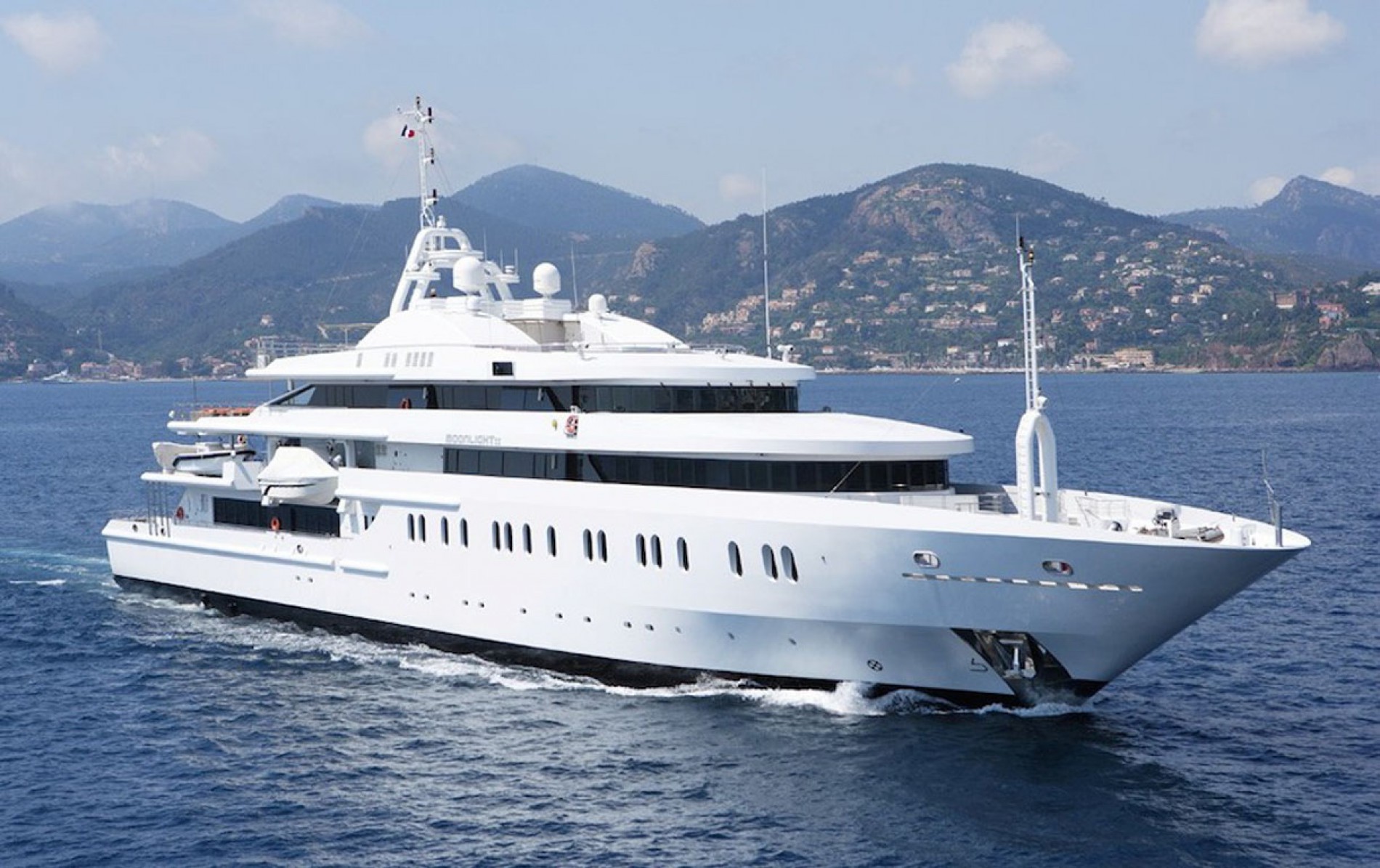
South of Phuket, beyond the day-tripper radius and the long-tail boat routes that terminate at Phi Phi’s overcrowded shores, the Andaman Sea opens into something else entirely. Here, among limestone karsts that rise sheer from water so clear its depth deceives, accessible only by private vessel, lies Southeast Asia’s most extraordinary sailing ground — a labyrinth of islands and anchorages that rewards the mariner willing to venture beyond the established routes.
The Itinerary: South to North
Begin at Ao Chalong on Phuket’s southeast coast, provisioning at the yacht club before the first passage south to Koh Racha Yai — a shakedown sail of three hours that delivers you to an anchorage of such tranquility that the contrast with Phuket’s western beaches registers as physical relief. The water is thirty metres deep and visible to the bottom: reef sharks patrol below the hull at dawn, and the snorkelling requires nothing more than stepping off the swim platform.
From Racha, the route turns northwest toward the Similan archipelago — nine islands of granite and coral constituting Thailand’s most protected marine park. Access is seasonal (November through May; the park closes during monsoon) and regulated: no anchoring on coral, no fishing, no night stays on the islands. The sailing yacht becomes your hotel, moored on sand at designated points, the islands accessible by tender for diving and walks through dipterocarp forest to elevated viewpoints.
The Similans: Underwater Architecture
The diving justifies the entire voyage. Richelieu Rock — a submerged pinnacle northeast of the main archipelago — is regularly cited among the world’s ten finest dive sites: manta rays in season, whale sharks on the current’s edge, and walls of soft coral in colours that seem unreasonable outside an aquarium. For non-divers, snorkelling at Anita’s Reef and Honeymoon Bay offers immediate access to a coral ecosystem of extraordinary health — the benefit of decades of strict protection.
Allow three nights among the Similans. Anchorages are exposed to northwest swell, so positioning requires attention to forecast. The reward is solitude — a private yacht accesses anchorages that day-trip liveaboards cannot reach, and by late afternoon, when speedboats have departed, the archipelago belongs to the handful of vessels remaining overnight.
The Surin Islands
North of the Similans, the Surin archipelago marks Thailand’s maritime border with Myanmar. The Moken sea-nomad communities here inhabit a cultural landscape as extraordinary as the natural one. The reefs at Surin are shallower and more accessible, making them superior for snorkelling, while the islands offer jungle walks and beaches of white sand framed by rainforest extending to the waterline.
For those whose charter permits international passage, the Burma Banks — submerged seamounts between Surin and Myanmar’s Mergui Archipelago — offer expedition sailing with encounters with pelagic species. This is appropriate for experienced crews comfortable with open-water passages and limited communication coverage.
The Return: Phang Nga Bay
The route south returns through Phang Nga Bay — but not the tourist corridor. The eastern passages, accessible by shallow-draught yacht or catamaran, thread through karst formations few visitors see: hongs (collapsed cave systems forming interior lagoons accessible only by dinghy through narrow passages), mangrove channels where eagles hunt above mirror-still water, and limestone walls so sheer the mast passes between them with metres to spare.
Anchor at Koh Hong in Phang Nga’s interior and explore by kayak: the water is emerald rather than blue, the light filtered through jungle canopy, reflected from limestone walls that glow amber in late afternoon. This is the Andaman at its most intimate — not the vast seascape of the Similans but a world of enclosure, of hidden spaces, of the landscape folding around you.
Practical Considerations
The season is absolute: November through April offers northeast monsoon winds of ten to twenty knots, clear skies, and manageable seas. Charter from established operators out of Phuket — Asia Marine, Simpson Marine, and Northrop & Johnson maintain fleets ranging from performance sailing yachts to luxury catamarans. Invest in crewed charters with a captain who knows these waters; local knowledge pays dividends in anchorage selection and access to sites that chart navigation alone cannot provide.
Pack for two climates: shore heat and passage wind-chill. Reef-safe sun protection is mandatory — marine parks enforce it. Bring your own mask and fins if particular about fit. Carry cash in small denominations for Moken markets at Surin and the fishing boats that sell lobster at prices that seem parodic by Western standards.
This is not the Thailand of full-moon parties and rooftop bars. It is the Thailand that exists before tourism arrived and persists in the spaces tourism has not yet reached — wild, pristine, and accessible only to those willing to earn their arrival by the oldest method: the patient crossing of water under sail.