
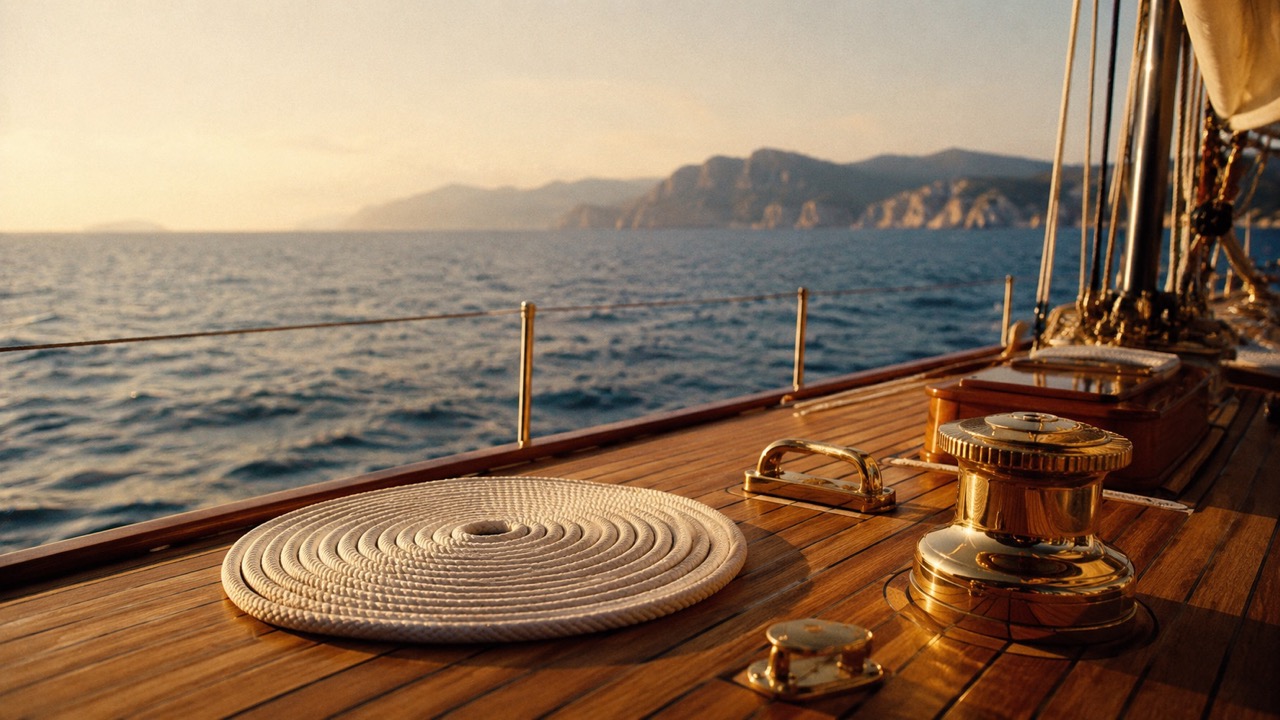
There is a particular pleasure known only to the traveller who experiences a great wine region from the water — the way a vineyard’s slope reveals itself differently from a canal than from a road, the way a lock-keeper’s cottage becomes the staging post for an unexpected conversation about terroir, the way the light on a Burgundian evening, observed from the deck of a slowly moving vessel, seems to hold its amber quality longer than it does on land. Europe’s inland waterways were, for centuries, the primary routes of commerce and culture. To travel them now, glass in hand, is to recover a tempo the modern world has largely forgotten.
The Burgundy Canal: Where Every Lock Opens a New Appellation
The Canal de Bourgogne threads through the heart of what many consider the most intellectually demanding wine landscape on earth. Between Tonnerre and Dijon, a distance of roughly 150 kilometres navigated over five unhurried days, the canal passes within cycling distance of appellations whose names — Chablis, Gevrey-Chambertin, Vosne-Romanée, Nuits-Saint-Georges — constitute a lexicon of vinous ambition. The best operators arrange daily excursions to domaines that rarely open their doors to passing visitors: a cellar tasting at a small Pommard producer whose allocation is spoken for years in advance, a lunch prepared by a chef who sources exclusively from the Tuesday market in Beaune, an evening lecture on the geological history of the Côte d’Or delivered by a sommelier whose knowledge of the subject is indistinguishable from devotion.
The canal itself is a masterpiece of eighteenth-century engineering, its 189 locks climbing to a summit tunnel at Pouilly-en-Auxois before descending toward the Saône. The rhythm of the locks — the slow filling and emptying of chambers, the brief conversations with lock-keepers, the gentle acceleration as the water finds its new level — becomes the rhythm of the journey itself. Hurry is not merely discouraged; it is structurally impossible.
The Canal du Midi: Languedoc’s Liquid Boulevard
Pierre-Paul Riquet’s seventeenth-century masterpiece, now a UNESCO World Heritage Site, runs 240 kilometres from Toulouse to the Mediterranean at Sète, passing through a wine region that has undergone one of the most remarkable transformations in European viticulture. The Languedoc that was once dismissed as France’s bulk-wine factory now produces wines of genuine complexity at every price point, and the best canal operators have built their itineraries around this renaissance. A morning mooring near Carcassonne might yield a visit to a biodynamic domaine in the Minervois whose Syrah is drawing comparisons with northern Rhône bottlings at a fraction of the price. An afternoon beneath the plane trees that Riquet planted to shade the canal — trees now three centuries old, their canopy forming a green cathedral above the water — might conclude with a tasting of Picpoul de Pinet, that briny, mineral white designed by nature to accompany the oysters of the Étang de Thau.
The Dutch Waterways: Beyond Wine, Into Tradition
The Netherlands offers a waterway experience of an entirely different character — flatter, wider, defined by light rather than topography, and organised around culinary traditions that owe nothing to the grape and everything to the pasture. A barge journey through the Frisian lakes and the canals of North Holland is a journey through a landscape where cheese has the cultural weight that wine carries in Burgundy. The town of Alkmaar has held its cheese market continuously since 1593, and to arrive by water on a Friday morning — the traditional market day — is to witness a ritual of commerce and spectacle that has survived every disruption modernity has offered.
Between the cheese towns, the waterways pass through landscapes of uncanny beauty: the wide skies that Vermeer and Ruisdael painted, the windmills of Kinderdijk turning against clouds that seem borrowed from a seventeenth-century canvas, the flower fields of the Bollenstreek in their brief, extravagant spring display. The cuisine aboard the best Dutch barges reflects this landscape with precision: smoked eel from the IJsselmeer, new herring served in the traditional manner, Gouda aged to the point where its crystals crunch between the teeth, paired not with wine but with aged genever from a Schiedam distillery that has been operating since the eighteenth century.
The Douro Valley: Port, Terraces, and the River of Gold
To approach the vineyards of the Douro by water is to understand immediately why the wines taste as they do. The valley is carved deep into the schist, its terraced vineyards climbing at angles that would challenge a mountain goat, the river below them dark and slow and heavy with reflected light. This is a landscape of extremes — summer temperatures above forty degrees, winter rains that turn the tributaries into torrents — and the wines it produces, from the great vintage Ports to the increasingly celebrated unfortified reds, carry within them the memory of that extremity.
The river journey from Porto to the Spanish border takes three days at a contemplative pace and passes through a landscape that UNESCO recognised as a cultural site of outstanding universal value. The quintas — the wine estates that line the valley — open their doors to river travellers with a hospitality that is both genuinely warm and deeply informed: a tasting at Quinta do Noval, whose Nacional vineyard produces one of the rarest wines on earth from ungrafted vines, is an experience that recalibrates one’s understanding of what Port can be.
Choosing Your Vessel
The distinction between a hotel barge and a river cruise ship matters enormously. Hotel barges — typically accommodating between six and twenty guests — offer the intimacy, the flexibility of itinerary, and the quality of cuisine that this kind of travel demands. The best operators employ chefs who shop daily at local markets, sommeliers who have built relationships with the vignerons along the route, and guides whose knowledge of the region extends beyond the obvious attractions into the kind of insider territory that transforms a pleasant journey into an unforgettable one. The rhythm is unhurried: mornings on deck as the landscape moves past, afternoons ashore exploring, evenings at a table set with linen and crystal and the day’s discoveries in the glass.