
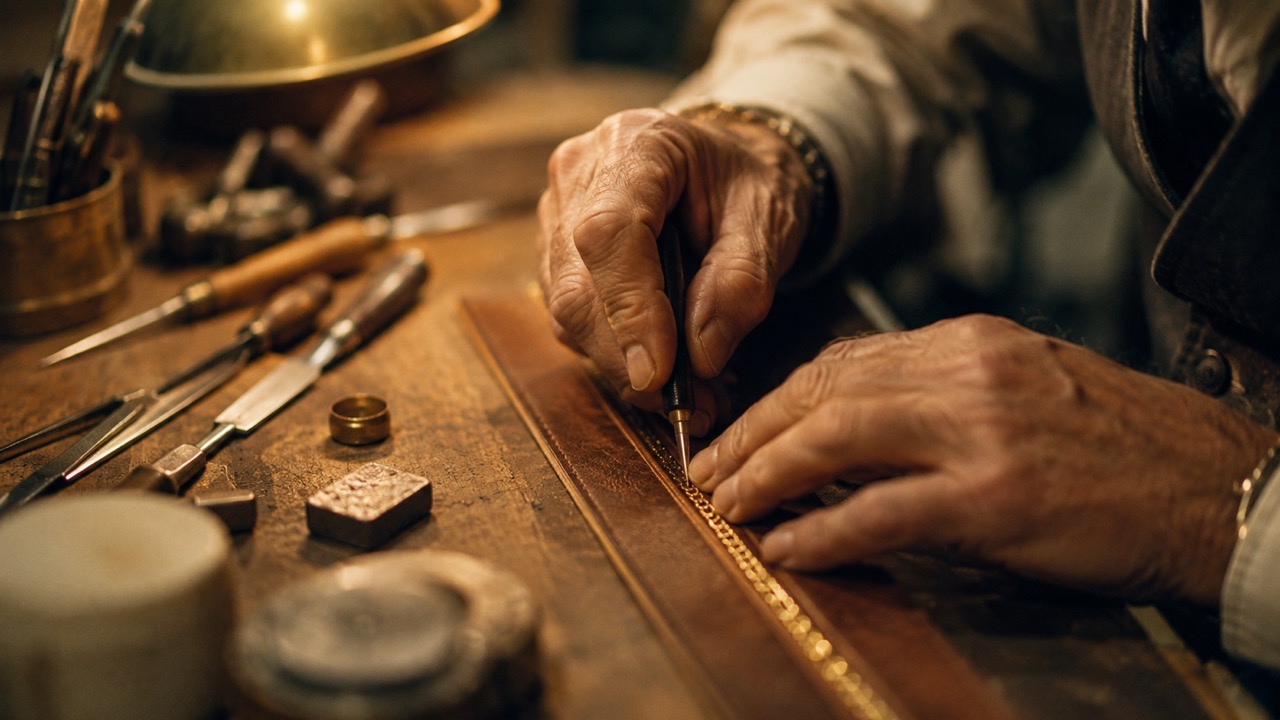
The luxury handbag has long been fashion’s most paradoxical object — a vessel of desire whose value was built, decade by decade, on the promise of permanence. The finest bags from the greatest houses were presented as heirlooms in waiting, objects whose quality of construction and material would outlast their owners and pass into the next generation with an authority that seasonal clothing could never possess. That promise, it turns out, is inseparable from sustainability: a bag made to last a century is, by definition, one that does not contribute to the cycle of rapid production and disposal that has brought the fashion industry to its current reckoning. Ten designers and houses are now demonstrating, with exceptional creative force, that the future of luxury handbag design is being built on exactly this foundation.
Gabriela Hearst: The Ranch Ethic
Gabriela Hearst’s handbag practice grows from the same philosophical root as her clothing: a belief that genuine luxury is inseparable from genuine responsibility. Her bags are constructed from deadstock leathers and natural fibres sourced from suppliers who can document the entire chain of custody, and they are built by artisans in workshops whose conditions she knows personally. The Nina bag — a structured satchel whose clean geometry conceals exceptional construction — has become one of the defining pieces of responsible luxury, precisely because it makes no visual concession to its ethical credentials. It simply looks right, and it will look right in thirty years.
Métier London: Radical Discretion
Métier, the London-based house founded with the explicit intention of making bags that last a lifetime, works with European tanneries that have held the same environmental certifications for decades and employs artisans trained in the traditions of the finest English saddlery. The result is a range of bags — the Closer, the Trailblazer, the Perriand — that carry their quality in the weight and texture of the leather, in the depth of the hardware, in the particular solidity of a zip that has been sourced from a single Italian manufacturer for reasons of tactile perfection. This is discretion as luxury: bags that reveal themselves only to those who know what to look for.
Savette: New York Precision
Savette has built a devoted following among those who understand that the most desirable bags are often the quietest ones. Founded in New York with a commitment to small-batch production and zero inventory waste, the house produces its structured pouches and envelope bags in quantities determined by actual demand rather than speculative wholesale, eliminating the overproduction that plagues even ostensibly premium brands. The leather comes from Italian tanneries using vegetable tanning processes unchanged in their essentials since the medieval guilds, and the hardware is cast in solid brass rather than the zinc alloys that corrode beneath plating. The bags improve with use, which is the oldest definition of quality available.
A-COLD-WALL*: Industrial Conscience
Samuel Ross’s A-COLD-WALL* brings an entirely different sensibility to sustainable bag design — one rooted in industrial material culture, in the aesthetic vocabulary of construction and utility, and in a rigorous interrogation of what luxury means when its codes are rebuilt from outside the traditional atelier framework. His bags in recycled nylons and biosynthetic materials make no attempt to replicate the feel of traditional leather; they develop their own material language, one of technical surfaces and considered hardware, that speaks to a generation whose relationship with luxury is being constructed without the inherited assumptions of their predecessors.
Boyy: Bangkok’s Quiet Revolution
The Bangkok-based house Boyy has made the integration of traditional Thai craft techniques into contemporary bag design its central creative proposition — working with artisans whose skills in hand-weaving and surface embellishment would otherwise have no commercial outlet in the contemporary market. The bags produced through these collaborations carry a visual richness and tactile complexity that no industrial process can replicate, and they support an ecosystem of craft practice that has its own cultural value independent of fashion. That these bags are also formally beautiful and rigorously constructed makes the proposition complete.
Strathberry: Scotland’s Long Game
Strathberry’s decision to manufacture its bags in Spain’s Ubrique region — the same leather-working centre that produces for several of the world’s most recognisable luxury houses — while maintaining its Scottish identity and its commitment to accessibility within the luxury spectrum, represents a thoughtful renegotiation of what the premium bag market can be. The structured tote and the East/West bag have become wardrobe staples for women who want exceptional construction and genuine material quality without the six-figure price points that the heritage houses increasingly command.
Hunting Season: Colombian Craftsmanship
Hunting Season works directly with Colombian artisans, building supply chains that support traditional craft communities while producing bags of contemporary elegance that carry genuine stories of origin. The house’s commitment to transparent provenance — knowing which hands made each bag and in what conditions — is presented not as marketing but as ethical baseline, the minimum standard that responsible luxury should require of itself.
Cuyana: The Fewer, Better Manifesto
Cuyana’s founding proposition — “fewer, better things” — has shaped every decision the brand has made about materials, construction, and product range. Its vegetable-tanned leather bags, made in small quantities with an explicit intention of decade-plus lifespans, represent a direct counter-argument to the disposability that fast fashion introduced to the accessories category. The classic tote, in leather that grows more beautiful as it ages, has become a reference point for the conscious consumer who understands that the most sustainable purchase is the one made once.
Cesta Collective: The Ethical Basket
Cesta Collective has elevated the Rwandan basket-weaving tradition to the level of international luxury, working with cooperatives of women artisans and paying prices that reflect the genuine skill and time invested in each piece. The bags — woven from sisal in geometrically complex patterns, finished with leather handles and interior linings of unusual quality — are among the most genuinely original luxury objects currently available, precisely because their beauty cannot be separated from the ethical framework of their making.
Vasic: New York Minimalism
Vasic produces its structured bags in certified Italian leather, works with manufacturers who subject themselves to regular environmental audits, and designs with a deliberate minimalism that prioritises timelessness over trend. The Union bag — a boxy, top-handle style whose proportions have been refined to the point where nothing could be added or removed — exemplifies the house’s philosophy: that the most sustainable design decision is the one that produces an object so right in its resolution that it never needs to be replaced.
Across these ten houses runs a common thread: the understanding that the future of luxury is not the production of more desirable things, but the production of fewer things that are more genuinely, enduringly desirable. That is not a retreat from ambition. It is ambition of a higher and more demanding order.